For years, the phrase “military spouse career” often felt like an oxymoron. We’ve all seen it, or lived it: the endless cycle of PCS moves, uprooting lives, restarting job searches, and trying to explain resume gaps to civilian employers who just don’t get it. The dedication of our service members is unwavering, but the sacrifices made by their spouses—often in their own professional aspirations—have been immense. It’s a challenge that impacts financial readiness, mental well-being, and the overall stability of our military families.
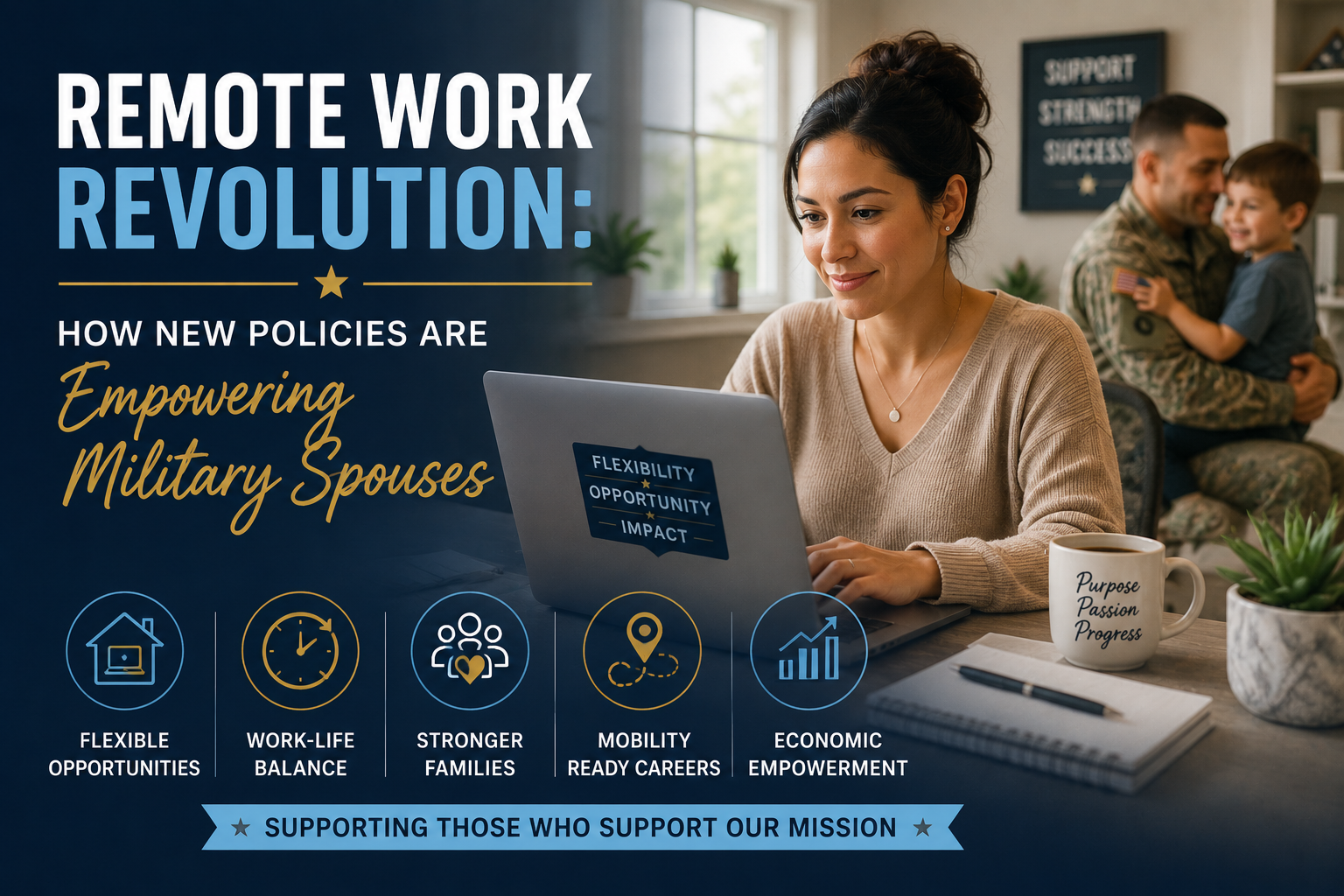
But here’s some intel that should bring a much-needed sigh of relief: 2026 is shaping up to be a remote work revolution for military spouses. New directives, bipartisan legislation, and evolving workplace norms are finally creating unprecedented opportunities for career stability and growth, regardless of where the next set of orders takes you. This isn’t just about convenience; it’s about equity, economic empowerment, and recognizing the invaluable contributions of military spouses to our nation’s strength.
The Old Normal: A Cycle of Sacrifice
Before we dive into the good news, let’s acknowledge the elephant in the room. The traditional military lifestyle, with its frequent relocations, has historically been a career killer for many spouses. Imagine building a successful career, only to have to resign every two to three years, navigate new state licensing requirements, rebuild professional networks, and constantly justify employment gaps. It’s a cycle that leads to underemployment, career stagnation, and significant financial strain on military families.
This isn’t just anecdotal; studies consistently show that military spouses face significantly higher unemployment rates and lower earnings compared to their civilian counterparts. The Department of Defense has long recognized this as a readiness issue, understanding that spouse employment directly impacts retention and the overall well-being of service members.
The New Frontier: Legislation and Policy Shifts
The tide is turning, and it’s largely thanks to a growing understanding of the unique challenges military spouses face, coupled with the widespread adoption of remote work during and after the recent global health crisis. Here’s what’s driving this positive change:
•Bipartisan Legislative Push: Congress has been actively working on legislation, such as the Military Spouse Employment Act [1], designed to remove barriers to employment and promote remote work opportunities. These bills aim to ensure that military spouses can build portable careers that move with them, reducing the financial burden and stress associated with frequent relocations.
•Federal Job Exemptions: In a significant win for military spouses working in federal positions, new directives in 2026 have made eligible military spouses categorically exempt from return-to-office mandates for remote work arrangements [2]. This means if you’re a military spouse in a federal job that can be performed remotely, you have a much stronger position to maintain that remote status, even if your agency is calling other employees back to the office. This is a massive step towards career continuity within the federal government, a major employer of military spouses.
•Evolving Corporate Culture: Beyond government, many private sector companies have embraced remote and hybrid work models, making them more amenable to hiring and retaining military spouses. The pandemic forced many businesses to adapt, proving that productivity doesn’t always require a physical office. This shift has opened up a vast new landscape of opportunities.
Leveraging the Remote Work Revolution: Actionable Steps
This isn’t a passive change; it’s an opportunity you need to actively seize. Here’s how military spouses can leverage these new policies and trends to build a thriving, portable career:
1.Assess Your Skills and Portability: Identify your core competencies and consider how they translate to remote-friendly roles. Are there certifications or additional training you can pursue to make your skills even more in-demand in a remote environment? Think about project management, digital marketing, IT support, virtual assistance, or specialized consulting.
2.Update Your Resume for Remote Roles: Tailor your resume to highlight skills relevant to remote work, such as self-motivation, time management, digital communication, and proficiency with collaboration tools. Address any employment gaps by framing them as periods of professional development, volunteer work, or family support, rather than simply leaving them unexplained.
3.Network, Network, Network (Virtually!): Just like in the military, your network is your lifeline. Join online professional groups, military spouse employment forums, and LinkedIn communities. Attend virtual career fairs specifically for military spouses. These platforms are invaluable for finding leads, getting advice, and connecting with employers who understand the military lifestyle.
4.Explore Federal Employment Opportunities: If you’re interested in federal service, actively research agencies that offer remote positions and understand the specific exemptions for military spouses. Websites like USAJOBS.gov are your primary resource. Don’t be afraid to reach out to HR departments for clarification on remote work policies.
5.Advocate for Yourself (and Others): If you’re already employed, discuss remote work options with your current employer. Highlight the benefits to them (reduced overhead, access to a dedicated and resilient workforce) and how it can ensure your continued employment despite PCS moves. Your success can pave the way for other military spouses.
6.Utilize Military Spouse Employment Programs: Organizations like Military OneSource, Hiring Our Heroes, and the Military Spouse Employment Partnership (MSEP) offer resources, job boards, and mentorship specifically designed to support military spouse employment. These programs are your force multipliers.
Addressing Common Concerns and Misconceptions
•"Remote work isn't for everyone." True, it requires discipline, self-motivation, and good communication skills. But many military spouses already possess these traits in spades. The key is finding the right remote role and company culture that fits your personality and work style.
•"I'll be isolated." Remote work doesn't mean working in a vacuum. Actively seek out virtual teams, online communities, and local military spouse groups. Many remote companies foster strong virtual cultures with regular team meetings and social events.
•"It's just a temporary trend." While the intensity of remote work might fluctuate, the underlying shift towards flexible work arrangements is here to stay. Companies recognize the benefits of a distributed workforce, and military spouses are uniquely positioned to thrive in this environment.
Conclusion
The remote work revolution is more than just a trend; it’s a fundamental shift that is finally providing military spouses with the career stability and growth opportunities they deserve. By staying informed about new legislation, leveraging available resources, and actively pursuing remote roles, military families can achieve greater financial security and professional fulfillment. This is a win-win: military spouses gain portable careers, and employers gain access to a highly skilled, adaptable, and dedicated talent pool. Let’s seize this moment and build a future where a military ID doesn’t mean a career sacrifice.
Are you a military spouse who has successfully navigated the world of remote work? What are your best tips and tricks? Or are you just starting your remote work journey? Share your experiences, questions, and insights in the comments below. Let’s empower each other and continue to champion career opportunities for all military spouses. And if you know a military spouse who needs to hear this good news, pass it along!
References
[1]: https://abcnews.com/Politics/bipartisan-legislation-military-spouses-find-virtual-work/story?id=101185646 "New legislation to help military spouses virtual work - ABC News"
[2]: https://www.dcpas.osd.mil/sites/default/files/2026-03/Telework%20and%20Remote%20Work%20FAQs%203.2026.pdf "Department of War March 2026 - DCPAS (PDF)"