
Alright, listen up, everyone. Remember those days of carrying around a thick manila folder of medical records from one duty station to the next, or trying to explain your entire medical history to a new doc every time you PCSed? For many of us, navigating military healthcare, and then transitioning to the VA, has always involved a fair share of paperwork and repetition. The promise of a seamless, integrated medical record system has been a long time coming.
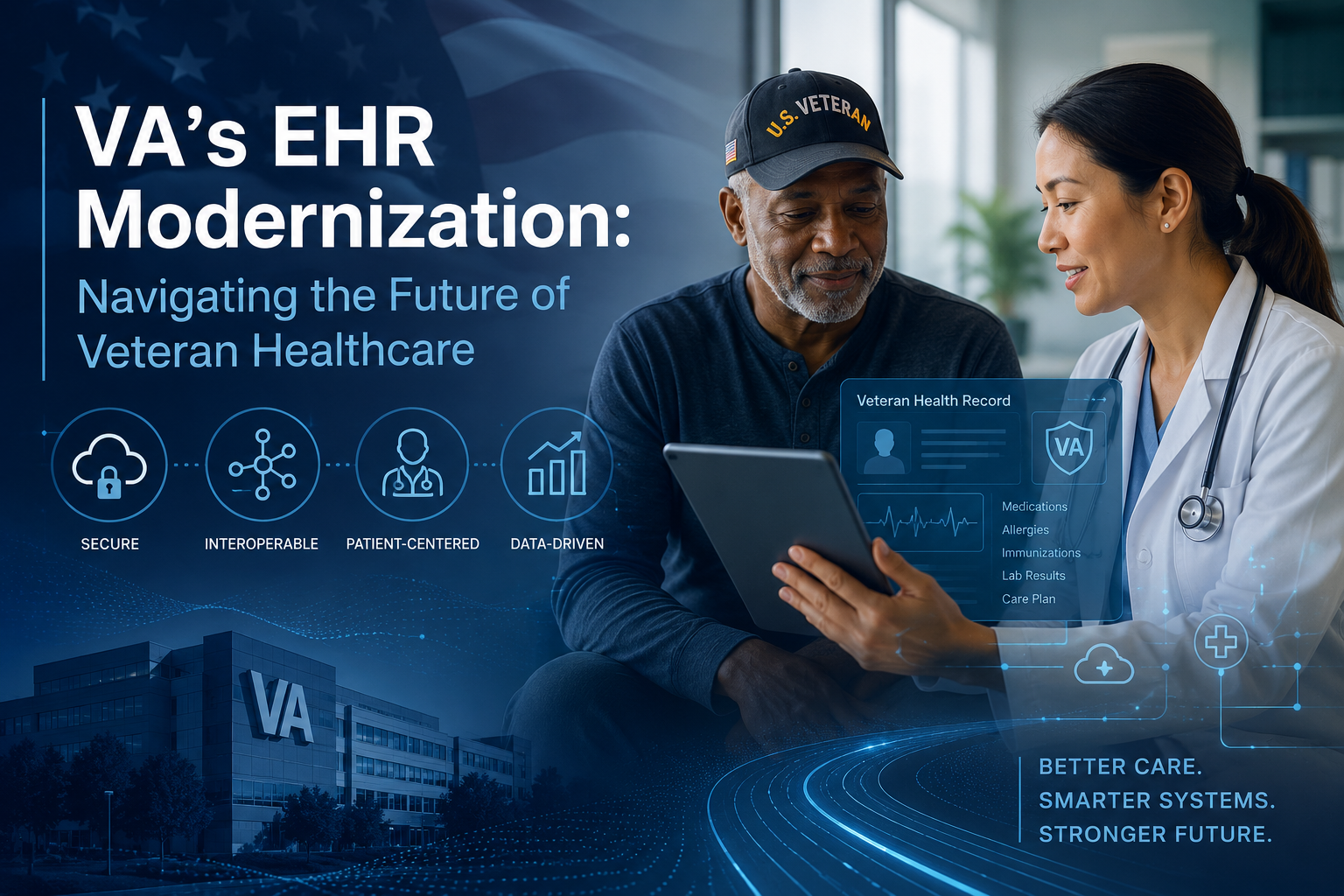
This month, the Department of Veterans Affairs is continuing its rollout of a new Electronic Health Record (EHR) system to four additional sites. This isn’t just a tech upgrade; it’s a monumental effort to modernize how veteran healthcare is delivered, aiming to streamline everything from appointments and prescriptions to sharing your medical history with community providers. While initial rollouts have faced their share of challenges – and let’s be honest, what major system change doesn’t have a few bumps in the road? – the long-term vision is a more efficient, integrated, and ultimately better healthcare experience for every veteran.
The Mission: A Unified Healthcare System
The core mission behind the EHR modernization is simple, yet incredibly complex: to create a single, unified electronic health record for every service member, from their first day in uniform through their entire post-service life. This system, based on the same platform used by the Department of Defense (DoD), is designed to improve interoperability, meaning your medical information can be easily and securely shared between VA facilities, DoD facilities, and even private healthcare providers when authorized. No more lost records, no more repeating your story countless times.
Key Objectives of the EHR Modernization:
•Seamless Information Sharing: Imagine your medical history following you, whether you’re at a VA hospital in California or a private clinic in Florida. This is the goal – ensuring your providers have immediate access to your complete health picture.
•Improved Patient Safety: With a comprehensive record, the risk of medication errors, duplicate tests, and missed diagnoses can be significantly reduced.
•Enhanced Patient Experience: Easier scheduling, better communication with care teams, and quicker access to your own health information through patient portals are all part of the promise.
•Streamlined Operations: For VA staff, the new system aims to reduce administrative burdens, allowing them to spend more time on patient care and less time on paperwork.
Navigating the New System: What to Expect
Change, especially in a system as vast as the VA, can be unsettling. Here’s what you, as a veteran, should know and how you can prepare:
1.Be Patient, But Engaged: Major IT overhauls are rarely flawless. There might be temporary slowdowns, new procedures, or learning curves for staff. Approach the change with patience, but don’t hesitate to ask questions or provide constructive feedback. Your input is valuable in refining the system.
2.Understand Your Local Rollout: The EHR system is being deployed incrementally, site by site. Find out when your local VA medical center (VAMC) is scheduled to go live. The VA usually provides ample communication leading up to these transitions. Stay informed through VA websites, local VAMC newsletters, and My HealtheVet updates.
3.Utilize Patient Portals: Tools like My HealtheVet are becoming even more critical. These portals allow you to view your medical records, schedule appointments, request prescription refills, and communicate securely with your care team. Familiarize yourself with these digital tools now, as they will be central to managing your healthcare in the new EHR environment.
4.Advocate for Yourself: If you encounter issues or feel your care is being impacted by the transition, speak up. Talk to your patient advocate at the VAMC. They are there to help you navigate the system and resolve concerns. Don’t let frustration fester; address it through the proper channels.
Common Frustrations and Misconceptions Addressed
•"It's just another government IT boondoggle." While the EHR modernization has faced significant challenges and cost overruns, the underlying goal of a unified record system is sound and critical for modern healthcare. The VA is committed to making it work, learning from early implementation sites.
•"My private doctor won't be able to see my VA records." The goal of interoperability is precisely to allow secure sharing of your records with authorized private providers, with your consent. This should reduce the need for you to be the go-between for your different doctors.
•"It's going to make everything slower." In the short term, during transition periods, some processes might experience temporary slowdowns as staff adapt. However, the long-term aim is increased efficiency and faster access to care and information.
Conclusion
The VA’s Electronic Health Record modernization is a massive undertaking, but one that holds immense promise for the future of veteran healthcare. While the journey may have its bumps, the destination – a seamless, integrated, and more efficient healthcare system – is one that will ultimately benefit every service member and veteran. Staying informed, engaged, and proactive in managing your care within this evolving system will be key to maximizing its benefits. This is about ensuring that the care you receive is as advanced and dedicated as the service you gave.
Call-To-Action
Has your VA medical center transitioned to the new EHR system? What has your experience been like? Share your insights, tips, and any challenges you’ve faced in the comments below. Your feedback helps fellow veterans prepare and navigate this significant change. Let’s work together to ensure our healthcare system serves us as well as we served our nation. And if you know a veteran who could benefit from this information, pass it along!